Women naturally go through perimenopause as they age, followed by menopause. The levels of the female hormones, oestrogen and progesterone, decrease during this time. Because of these changes, a women's monthly menstrual period eventually stops. Some women experience challenging physical and emotional symptoms during this time of change.

What is menopause?
Menopause is a natural process in a woman's life when her ovaries stop releasing eggs and she stops menstruating. This marks the end of her reproductive years. Women officially reach menopause when they haven't had a menstrual period for 12 consecutive months. Certain surgeries and cancer treatments can trigger medically induced menopause, but the symptoms experienced by these women can be the same as natural menopause.
What is perimenopause?
Perimenopause is the time leading up to menopause. A woman can be in perimenopause for six to ten years before your period stops completely. She can still fall pregnant during this time, despite the fact that her body produces lower levels of the female hormones, oestrogen and progesterone. Women may experience physical and emotional symptoms linked to the fluctuations in hormone levels during perimenopause. These symptoms may be persistent, or they may happen on and off over several months or even years.
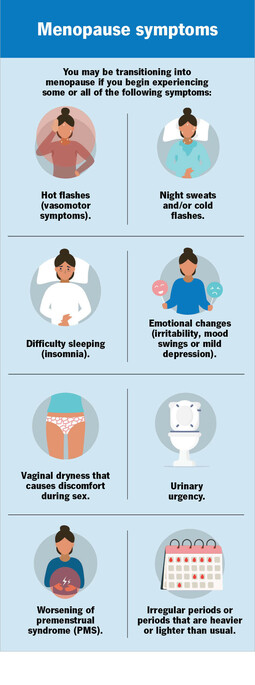
Each woman experiences a unique perimenopause and menopause. There are many different symptoms of menopause and a woman will not necessarily experience all of them. Here is a list of the most common signs and symptoms of perimenopause and menopause :
Menopause and perimenopause symptoms can have a big impact on a woman's wellbeing, affecting her physical, emotional, mental and social wellbeing.
Contact our receptionist if you would like to book an appointment with Dr Tanith Davidson to explore a natural approach to easing the symptoms this natural life transition.